
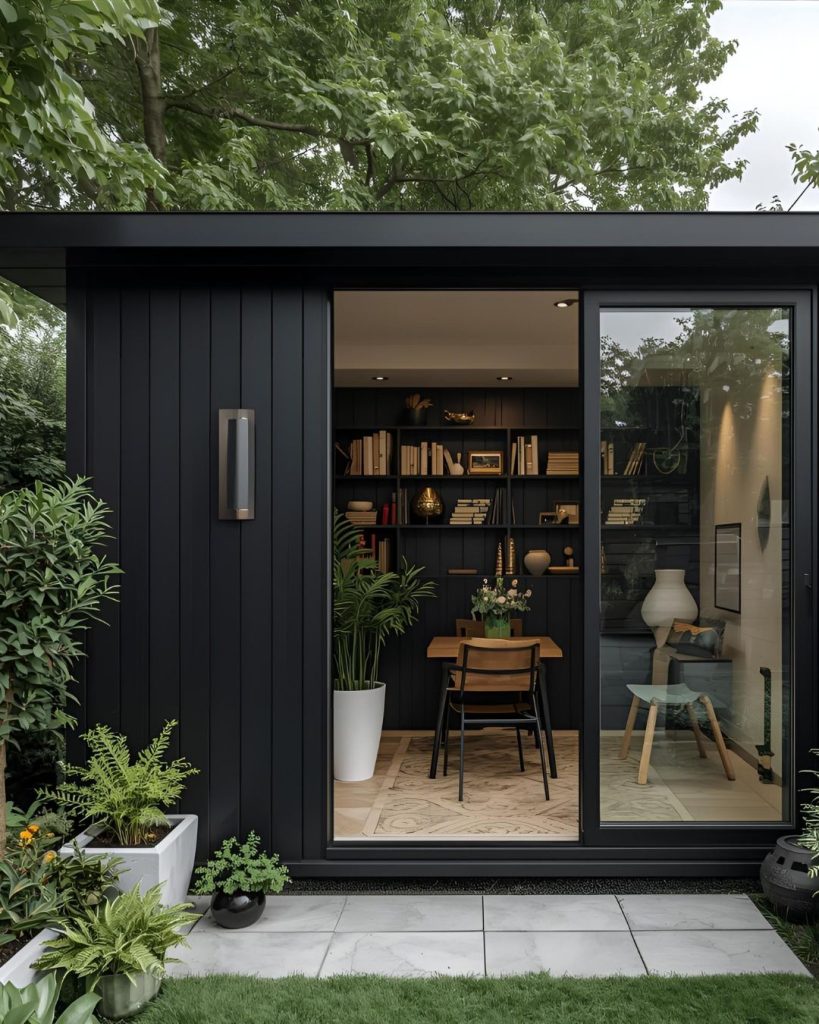
10 Ways to Use a Garden Room | Colchester Builder’s Guide
Garden rooms have become one of the most sought-after home improvements across Colchester over the past few years, and the demand shows no sign of slowing down. The appeal is straightforward — a dedicated, self-contained space in your garden that gives you room to work, exercise, create, or simply escape from the main house without the cost and disruption of a full extension. But beyond the generic idea of a garden room, what do people actually use them for, and what does each use require in terms of design, insulation, and services?
This guide looks at the most popular uses we see across Colchester properties, from compact home offices in the gardens of terraced houses in the town centre to larger multi-purpose buildings on detached plots in Lexden and West Bergholt.
Home Office
This remains the single most popular reason people build a garden room, and the shift toward hybrid and remote working means it’s not going away. A dedicated garden office separates your working day from your home life in a way that a spare bedroom never quite manages. You close the door at the end of the day, walk back to the house, and work stays behind.
A garden office doesn’t need to be large. A room of around eight to ten square metres comfortably accommodates a desk, chair, storage, and enough space to move around without feeling cramped. Insulation needs to be good enough for year-round use — rigid foam in the walls, floor, and roof keeps the room warm in winter and cool in summer. You’ll need a dedicated electrical supply with plenty of sockets, good overhead and task lighting, and a reliable internet connection. Running an ethernet cable from the house is the most dependable option, though a strong WiFi extender or mesh system works for most people.
Home Gym
A garden gym avoids monthly membership fees, eliminates travel time, and means you can train whenever you want without waiting for equipment. The key considerations are floor strength, ventilation, and space. Gym equipment is heavy — a squat rack, bench, and weight plates can easily exceed 200 kilograms in a concentrated area — so the floor structure needs to be built with this in mind. Rubber matting over a solid subfloor protects both the floor and the equipment.
Ventilation matters more in a gym than almost any other use. A room that’s comfortable for sitting at a desk becomes stifling after twenty minutes of intense exercise. Opening windows help, but a mechanical ventilation system or extraction fan ensures consistent airflow regardless of the weather. A room of twelve to fifteen square metres gives enough space for a functional gym without feeling restricted, though even a smaller room works well for a simpler setup focused on cardio and bodyweight training.
Art Studio or Creative Workshop
Artists, crafters, woodworkers, and hobbyists benefit enormously from a dedicated space away from the house. A garden studio means you can leave projects set up between sessions, make mess without worrying about the kitchen table, and work in natural light without interruption.
For visual artists, north-facing roof lights or large windows provide consistent natural light without direct sun causing glare or colour distortion. A sink with running water is extremely useful for cleaning brushes and tools. Good lighting for evening work, generous power for tools or equipment, and hard-wearing flooring that can handle paint, glue, and general workshop wear are all worth building into the design. For woodworkers, sound insulation becomes important — particularly if your neighbours in areas like Highwoods or Stanway are close by.
Music Room or Recording Studio
Practising instruments or recording music in the main house is a guaranteed source of tension with family members and neighbours. A garden room with proper acoustic treatment solves the problem entirely. The key difference between a music room and other garden room uses is soundproofing. Standard insulation helps, but a genuinely effective music room needs additional acoustic measures — decoupled walls, acoustic plasterboard, sealed doors and windows, and careful attention to preventing sound transmission through the floor and roof.
A well-insulated garden room with basic acoustic treatment is perfectly adequate for practising guitar, piano, or drums at reasonable volumes without disturbing the house or neighbours. If you’re recording and need a controlled acoustic environment, the specification goes up, but even a modest setup is dramatically better than playing in a spare bedroom.
Therapy or Treatment Room
Running a small practice from home is increasingly common, and a garden room provides a professional setting without clients entering your house. Therapists, counsellors, physiotherapists, massage therapists, and beauty practitioners all use garden rooms for this purpose. The room needs a separate entrance path so clients don’t walk through your garden past the kitchen window, a welcoming interior that feels professional rather than domestic, and appropriate heating, lighting, and ventilation.
If you’re running a business from the room, check whether you need to notify Colchester City Council regarding change of use. In most cases, using a garden room for a small home-based practice falls within permitted use, but it’s worth confirming if clients will be visiting regularly.
Guest Accommodation
A garden room designed as a guest bedroom gives visitors genuine privacy and their own space rather than displacing a child from their bedroom or inflating an air mattress in the living room. A guest garden room needs insulation to full habitable standards, heating, good lighting, and ideally its own small bathroom or at least a toilet and basin.
It’s important to note that a garden room used as self-contained living accommodation — with sleeping, cooking, and bathing facilities — falls outside permitted development and requires planning permission. A guest room without cooking facilities used by visiting friends and family rather than as a permanent dwelling is a different matter, but it’s worth understanding the distinction before you design the space.
Children’s Playroom or Den
Reclaiming your living room from toys, games, and general chaos is reason enough for many Colchester families. A garden playroom gives children their own dedicated space to play, make noise, and spread out without taking over the main house. For younger children, good insulation, safe heating, and clear sightlines from the house are priorities. For teenagers, a garden den becomes a social space where friends can hang out, watch films, or play games without occupying the family living room all evening.
Home Cinema
A fully insulated garden room with no natural light requirements makes an excellent home cinema. Blackout blinds or a windowless wall for the screen, acoustic treatment to improve sound quality, comfortable seating, and a dedicated electrical supply for the projector or large screen, sound system, and any gaming equipment create a far better viewing experience than trying to darken your living room on a summer evening.
Yoga and Wellbeing Space
A calm, quiet garden room used for yoga, meditation, or general wellbeing provides a dedicated space to practise without distractions. The requirements are simple — good insulation, underfloor heating for barefoot comfort, soft natural light, a clean and minimal interior, and enough floor space to move freely. A room of around ten to twelve square metres suits individual practice or small group sessions comfortably.
Home Library or Study
For serious readers or anyone who needs a quiet space to concentrate, a garden room library offers something the main house rarely can — silence. Floor-to-ceiling shelving, a comfortable reading chair, good task lighting, and proper insulation create a retreat that’s just a few steps from the back door but feels a world away from household noise.
Choosing the Right Garden Room for You
The best garden room is the one designed around how you’ll actually use it. A gym has different structural requirements to an office. A music room needs acoustic treatment that a guest room doesn’t. A therapy room needs a professional entrance that a children’s playroom doesn’t. Starting with the intended use and designing the specification around it ensures you end up with a space that works properly rather than a generic box that’s almost right.
If you’re considering a garden room at your Colchester property, get in touch for a free consultation. We’ll discuss what you need the space for, advise on size, specification, and services, and give you a clear quote with no obligation.