
How Much Does a Home Renovation Cost in Colchester? | Local Builder’s Guide
Renovating a home is simultaneously one of the best investments you can make in your property and one of the most difficult to put a reliable number on before work starts. The scope can range from updating a single tired bathroom to stripping an entire house back to the brickwork and rebuilding every surface, service, and fitting from scratch. The cost follows accordingly — and without understanding what drives the price at each level, setting a realistic budget feels like guesswork.
This guide breaks down renovation costs for different types of project across Colchester, explains what influences the price at each stage, and gives you the information to plan a budget that reflects what your specific project will actually require.
Room-by-Room Costs
Most homeowners start by renovating the rooms that make the biggest difference to daily life. Understanding what each room typically costs helps you prioritise spending and decide whether to tackle the house in phases or commit to a single comprehensive project.
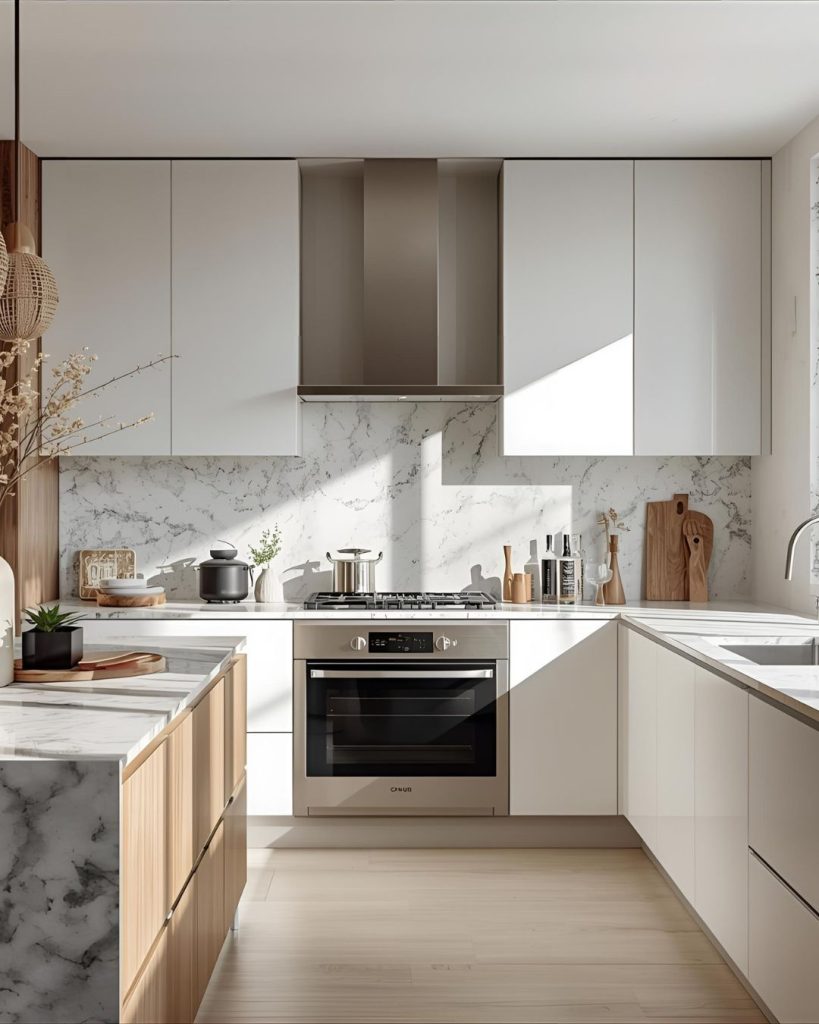
Kitchens carry the widest cost range of any room because the specification gap between a basic refit and a premium installation is enormous. A straightforward replacement — new units, worktops, tiling, flooring, and decoration within the existing layout — typically costs £8,000 to £15,000 depending on the kitchen you choose. A mid-range renovation involving layout changes, new plumbing and electrics, plastering, and quality finishing usually falls between £15,000 and £28,000. A major kitchen project with structural wall removal, steelwork, stone worktops, premium appliances, underfloor heating, and comprehensive finishing reaches £28,000 to £45,000 or beyond. The kitchen itself accounts for a large portion of that variation — units and worktops from Howdens or Wren cost a fraction of a bespoke or German kitchen from a specialist supplier.
Bathrooms are more contained but still vary significantly with specification. A basic suite replacement with retiling and freshened decoration costs £3,500 to £6,000. A full renovation with layout changes, new plumbing, complete floor-to-ceiling tiling, quality sanitaryware, heated towel rails, and thorough waterproofing typically costs £7,000 to £14,000. A premium bathroom with designer fittings, large-format porcelain or natural stone tiling, underfloor heating, and walk-in shower or wet room conversion reaches £14,000 to £22,000. Ensuites follow the same spectrum at a lower total cost because the footprint is smaller, typically ranging from £4,000 to £12,000.
Living rooms and bedrooms are primarily cosmetic renovations unless structural work is involved. Replastering, new electrics with updated socket and lighting positions, flooring, and full decoration for a standard room typically costs £2,500 to £5,000. Add structural work — removing a chimney breast, opening up an archway, installing a feature fireplace — and the cost rises to £5,000 to £9,000 depending on complexity and the extent of making good required afterwards.
Hallways, stairs, and landings stretch across multiple levels and are often more expensive than homeowners expect for what feels like a transitional space. Replastering, updated electrics, staircase refurbishment or replacement, new flooring on each level, and decoration throughout typically costs £3,500 to £8,000. A complete staircase replacement with a contemporary open-tread or glass balustrade design adds £3,000 to £7,000 on top depending on the specification and structural modifications needed.
Whole-House Renovation Costs
When the project covers the entire property, costs increase substantially but the value per pound spent often improves because trades are on site continuously and the work flows more efficiently than multiple separate projects spread over years.
A cosmetic refresh — new decoration throughout, updated flooring, a refreshed bathroom, minor kitchen improvements, and general tidying up — typically costs £12,000 to £25,000 for a standard three bedroom house in Colchester. This suits a property that’s structurally sound with serviceable plumbing and electrics but looks dated and needs bringing up to a presentable standard. Buy-to-let investors and homeowners preparing for sale often commission this level of work across properties in Colchester’s established areas.
A substantial renovation — replastering throughout, new electrics, updated plumbing, a new kitchen with layout improvements, new bathroom, flooring, and complete decoration — typically costs £30,000 to £65,000. This is the most common scope of whole-house renovation we carry out across Colchester, covering the inter-war and post-war housing in areas like Shrub End, Lexden, Stanway, and the Garrison that needs comprehensive modernising to meet current expectations. Everything visible gets replaced, and the critical services behind the walls get upgraded to current standards.
A complete transformation — structural alterations to reconfigure the layout, full rewiring, complete replumbing, new heating system, new kitchen, new bathrooms, plastering throughout, flooring, and decoration from top to bottom — typically costs £65,000 to £130,000 or more depending on the property size and specification. This level applies to properties requiring everything — period houses around Colchester’s older streets and the Dutch Quarter where the interior needs rebuilding entirely, renovation projects in villages like Dedham, West Mersea, and Wivenhoe, and properties purchased specifically to strip back and transform.
These costs cover building work, materials, and labour but generally exclude the kitchen units, appliances, bathroom sanitaryware, and furnishings which are specified and purchased separately. External work — roofing, windows, fascias, rendering — carries additional cost if required.
What Drives Renovation Costs in Colchester?
Several factors determine where your project falls within these ranges, and understanding them helps you anticipate the cost more accurately before quotes arrive.
The age and construction of the property matters considerably. Colchester’s claim as Britain’s oldest recorded town means the housing stock spans an extraordinary range — from medieval timber frames in the Dutch Quarter and town centre through Georgian and Victorian terraces to the inter-war estates in Shrub End and Lexden, post-war housing in Greenstead and Highwoods, and modern developments on the expanding edges of the town. Each era of construction presents different challenges and costs. Period properties with lath and plaster, lime mortar joints, uneven floors, and non-standard structural arrangements take longer to work with and demand more specialist knowledge than modern plasterboard and blockwork. A Victorian terraced house in the town centre costs more per square metre to renovate than a 1990s detached house in Stanway because the construction is more demanding at every stage.
Hidden conditions represent the biggest uncertainty in any renovation budget. What’s behind the plaster, under the floors, and above the ceilings only becomes fully apparent once surfaces start coming off. Damp that’s migrated further than the survey indicated, joists that have deteriorated beyond what’s visible, electrical wiring that’s been modified incompetently over decades, plumbing that’s been patched rather than properly repaired — these discoveries are standard in renovation work rather than exceptional. The older the property and the more previous owners have modified it, the greater the likelihood of finding something unexpected.
Your specification choices have the most direct and controllable impact on cost. Within the same room layout, a laminate worktop costs a fraction of quartz or granite. Standard ceramic tiles cost a fraction of large-format porcelain. A mid-range bathroom suite costs a fraction of designer sanitaryware. These are decisions you make consciously, and being clear about your specification priorities before requesting quotes ensures the prices you receive reflect what you actually want rather than each builder’s assumptions about your taste.
Structural work escalates costs whenever it’s involved. Removing a load-bearing wall requires temporary support, structural engineering calculations, a steel beam specified and installed to Building Regulations standards, building control inspection, and comprehensive making good. Each structural alteration adds £3,000 to £8,000 depending on the span, the beam specification, and the amount of associated work. Properties where the renovation includes opening up the ground floor, creating new doorways, or reconfiguring the internal layout across multiple rooms can accumulate significant structural costs that need reflecting in the budget from the outset.
Access and logistics influence labour costs particularly on Colchester’s tighter streets. Terraced properties in the town centre, along Crouch Street, East Hill, and the roads around North Station where side access doesn’t exist require all materials to pass through the house and all waste to come out the same way. This adds time and labour compared to a suburban property with clear side access and space for a skip alongside the building.
Building a Realistic Budget
Effective house renovation budgeting starts with clarity about what you want to achieve and honesty about what you can afford, then finding the specification that bridges the two.
Prioritise by impact. Kitchens and bathrooms deliver the greatest improvement to daily living and the strongest return on investment if you sell. Structural changes that improve layout and flow transform how the entire ground floor functions. Cosmetic work in bedrooms and living spaces refreshes the feel of the house for relatively modest cost. If budget is limited, invest in the rooms you use most intensively and defer the lower-impact spaces to a later phase.
Specify before you quote. Walk through the house room by room and decide what you want in each space — the type of flooring, the style of tiles, the level of kitchen, the bathroom specification, the socket positions, the lighting design. Write it down. Hand it to every builder you ask to quote. This ensures every quote prices the same scope and specification, making comparison meaningful. Without this, you’re comparing guesses rather than prices.
Allocate a contingency of ten to fifteen percent. This isn’t pessimism — it’s pragmatism. Renovation work on existing buildings always reveals some element that wasn’t visible during the initial assessment. A contingency fund means these discoveries are absorbed within the overall budget rather than forcing difficult decisions or compromising the finished result. If the contingency isn’t needed, it’s money you still have at the end. If it is needed, you’ll be grateful it was there.
Consider the full programme cost. Renovation disruption has a cost beyond the builder’s invoice. If you’re living in the property during the work, factor in temporary cooking arrangements during the kitchen phase, the impact on working from home during noisy stages, and the general domestic upheaval that comes with multiple trades working through your house. If you’re moving out temporarily for a comprehensive renovation, the rent or accommodation cost needs including in the overall budget.
Getting Good Value
Get itemised quotes from two or three experienced builders. A single lump sum with no detail tells you nothing about where the money goes or what’s included. Itemised quotes let you see the cost of each element — structural work, plastering, electrics, plumbing, kitchen fitting, tiling, flooring, decoration — and make informed decisions about where to invest and where to economise.
Spend on the things that last and show. Quality plumbing behind the walls, thorough waterproofing in the bathroom, solid electrics throughout, well-fitted kitchen units with properly aligned doors, and smooth, flat plastering that provides a perfect base for whatever finish you apply. These elements determine whether the renovation still looks and performs well in five years or starts revealing shortcuts within months.
Save on the things that are easy to change later. Decoration is the cheapest and simplest element to refresh in the future. Light fittings swap out in minutes. Door handles and hardware upgrade without any building work. These items can be budgeted modestly now and improved later if funds allow.
Starting the Conversation
If you’re planning a renovation at your Colchester home — from a single room that needs attention to a comprehensive whole-house project — get in touch for a free consultation. We’ll visit your property, discuss what you want to achieve, give you honest advice on what’s involved, and provide a detailed, itemised quote so you can plan your project with confidence.